Comprehensive Guide to Electronics Recycling: How to Recycle Your Old Devices Responsibly
Electronics recycling serves a crucial function in environmental protection and sustainable resource management. Many people are unaware of the proper steps to take when getting rid of old devices. Learning to prepare electronics for recycling can make a significant difference. This guide provides vital insights into responsible disposal methods. It raises important questions about what happens to discarded devices and the impact on our planet. The journey of electronics recycling starts today.
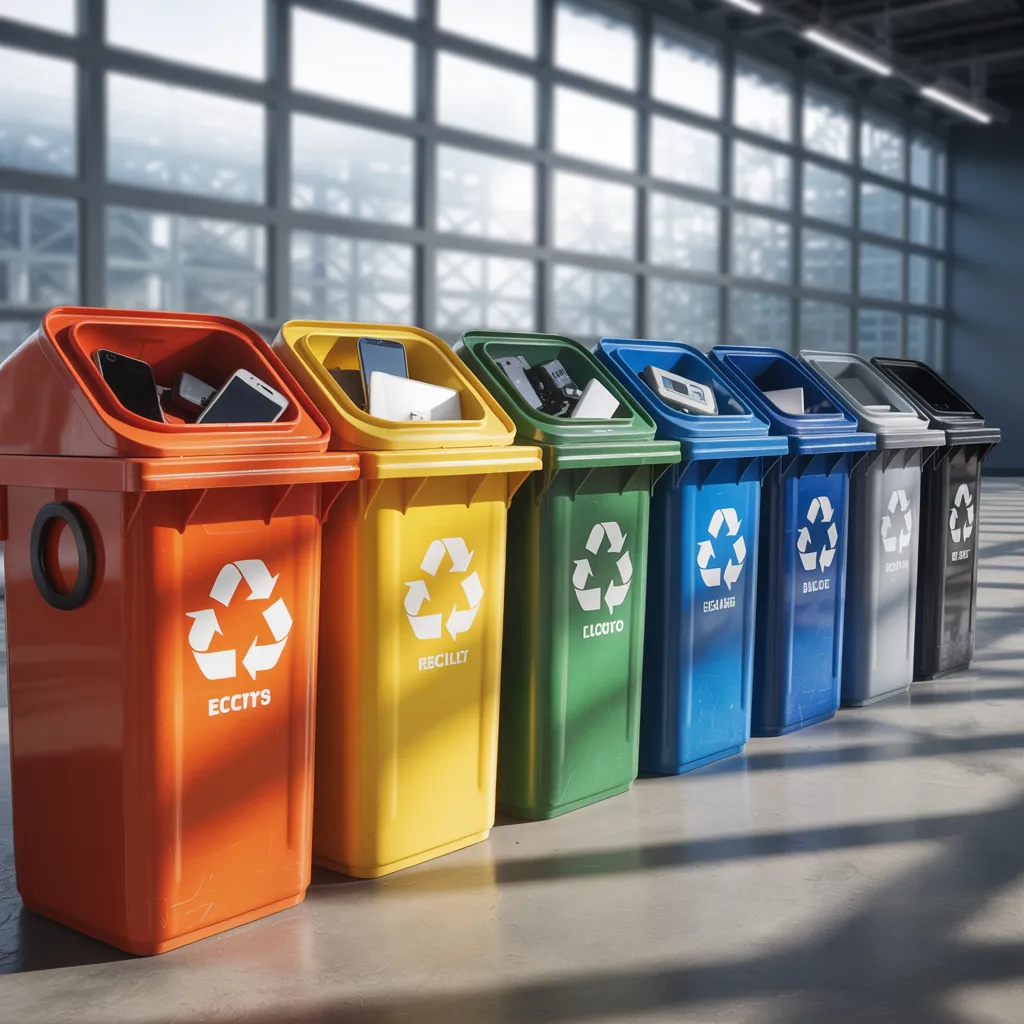
Why Tech Waste Recycling Is Crucial to the Natural World
Although many people may not grasp it, electronics recycling plays an critical role in shielding the environment. As technology progresses, the volume of electronic waste persists to grow, creating notable ecological challenges. Improper disposal of devices can result in harmful substances, such as lead and mercury, poisoning soil and water sources. By recycling electronics, prized materials like metals and plastics can be recovered and reused, thereby reducing the need for virgin resources and minimizing energy consumption associated with manufacturing.
Additionally, recycling assists to decrease the carbon footprint related to waste management. It diverts e-waste away from waste sites, where it may require centuries to decompose. This practice not only conserves natural resources but also encourages a more sustainable tomorrow. Through responsible e-waste recycling, communities and individuals can contribute to a healthier planet, ensuring that technological progress do not come at the cost of environmental quality.
Instructions to Prepare Your Vintage Devices for Reuse
Preparing old devices for disposal involves several important steps to guarantee data security and adherence with guidelines. First, backing up essential data is vital, followed by the removal of personal information to safeguard privacy. Finally, checking the manufacturer's recycling guidelines helps confirm responsible disposal.
Back up Your Information
Before discarding old gadgets, it is vital to store any valuable data. Users should link their devices to a computer or use cloud storage services to make sure all critical files, photos, and documents are saved. For smartphones and tablets, employing built-in backup features makes easier the process. Users can also think about transferring data to portable storage drives or USB flash drives for added security. It is prudent to check that the backup is comprehensive and accessible before starting recycling. This step not only protects valuable information but also assures a smooth shift to new devices. Taking time to save data helps in avoiding potential loss and promotes a more responsible recycling experience.
Remove Private Information
After securing essential files, users must take steps to delete private data from their outdated gadgets. This method commences with signing out of accounts and turning off features such as Find My Device. Next, users should complete a factory reset, which clears all data and returns the device to its original settings. For additional security, it is recommended to protect the device before resetting it; this creates a layer of defense against data recovery. Individuals should also take out any external storage, such as SD cards, to confirm that no personal files remain. Finally, confirming that personal information has been successfully erased is important, as this step establishes the device is ready for responsible recycling.
Consult Manufacturer Guidelines
Reviewing manufacturer guidelines is critical for confirming that aged equipment are properly readied for reuse. Various manufacturers usually have particular guidelines regarding the disposal procedure, which might include specialized disassembly procedures or recommendations for secure elimination of materials. By consulting these guidelines, consumers can recognize any essential actions to remove batteries or hazardous substances securely. Furthermore, some manufacturers provide return initiatives, allowing consumers to submit their devices directly for accountable recycling. Following these guidelines not only helps protect the environment but also reduces safety risks linked to incorrect disposal. Therefore, consumers should prioritize reading and adhering to producer guidelines as a vital step in the disposal procedure. This method fosters responsible electronics recycling overall.
What Forms of Electronics Can Be Processed for Reuse?
The sector of electronics recycling addresses a comprehensive selection of products that can be managed to recover important materials and lessen environmental impact. Regularly recycled products comprise smartphones, laptops, personal computers, and mobile devices, each of which feature valuable elements and pieces that can be reused. In addition, televisions, computer screens, and printers are included in the recycling landscape, since they regularly contain toxic substances such as lead and mercury.
Small appliances such as microwaves, toasters, and coffee makers can also be recycled, although they may need expert care. Batteries, especially lithium-ion types found in many electronics, are essential to recycle due to their toxic nature. Audio and video equipment, including stereo systems and cameras, can additionally add to the recycling stream. Overall, many electronic devices are eligible for recycling, helping to promote sustainability and mitigate the harmful effects of e-waste.
Finding Your Closest Electronics Disposal Facility
Finding a close electronics recycling center is crucial for proper waste management. Community recycling programs may change, providing different offerings and materials they take. Web-based search platforms offer a convenient way to locate these centers based on one's location.
Nearby Recycling Choices
Discovering available disposal solutions is necessary for sustainable device management. Various regions present approved recycling centers that handle a variety of electronic devices, such as computers, televisions, and smartphones. These centers consistently provide protective management and treatment of hazardous materials embedded in electronics, thereby lessening environmental consequences. Local authorities may also schedule scheduled e-waste drives, enabling residents to turn in their unwanted electronics at nearby locations. Additionally, select retailers feature return schemes, allowing purchasers to return used electronics when shopping for new equipment. By engaging with these community resources, people can verify their discarded electronics are processed sustainably, promoting sustainability goals and alleviating the pressure to landfills. Getting involved with community recycling options strengthens public participation and environmental leadership.
Internet Locator Solutions
A multitude of online locator tools streamline the endeavor of discovering nearby electronics recycling centers. These resources allow users to input their location and receive a roster of accessible recycling facilities. Websites such as Earth911 and the EPA's recycling locator supply updated information on local drop-off points and events. Likewise, some manufacturers establish their own recycling programs, which can be accessed through their official websites. Users can often filter results based on the types of devices they wish to recycle, confirming they find appropriate centers. By utilizing these tools, individuals can make informed decisions about recycling their electronics, supporting to environmental sustainability while ensuring compliance with local regulations. This user-friendliness encourages responsible disposal of outdated devices.
Taking Benefit of Manufacturer Recycling Programs
When consumers seek sustainable solutions with growing frequency for electronic waste, maker retrieval initiatives present a principled solution for recycling outdated devices. Such initiatives, commonly championed by major electronics manufacturers, allow customers to return their previous products directly to the organization. Involvement in these programs ensures that persons can confirm their electronics are managed in an environmentally friendly manner.
Numerous suppliers establish designated drop-off locations or prepaid shipping labels, making the process straightforward. In addition, these programs generally highlight ethical disposal standards, confirming that materials are recovered and reused rather than being relegated to dumpsites. Various manufacturers also motivate involvement by offering discounts or credit toward future purchases. This tactic not only helps reduce electronic waste but also builds a culture of sustainability. To summarize, leveraging producer return schemes lets buyers to make a positive difference for the world while conscientiously disposing of their electronic devices.
Protected Data Removal Advice for Tech Recycling
A vital part of the electronics recycling procedure is confirming safe data destruction. Individuals should understand that just deleting files or performing a factory reset does not guarantee full data removal. Effective approaches include using data-wiping software that meets industry standards and overwrites existing data multiple times. For devices that can’t be reused, physically destroying the storage medium—like shredding or incinerating hard drives—ensures that data recovery is impossible.
Before disposal, users should remove any SIM cards and memory cards, which hold personal information often. Furthermore, recording the data destruction process can deliver peace of mind, especially for companies managing sensitive information. Finally, individuals are urged to contact qualified e-waste recyclers who adhere to best practices for data destruction, guaranteeing proper care of electronic devices. By following these steps, people can protect their personal information while contributing to a more sustainable recycling process.
The Reclamation Journey: What Occurs to Your Devices?
After ensuring data is securely destroyed, the journey of electronic devices toward recycling begins. Devices are typically gathered at specified collection points or through return initiatives. Once collected, they are shipped to recycling facilities where they endure a thorough sorting process.
These centers involve dismantling devices to isolate valuable materials including metals, plastics, and glass. Hazardous components such as batteries and circuit additional information boards are meticulously managed to prevent environmental contamination.
Reusable resources are subsequently worked: metals are melted down, plastics are granulated, and glass is shattered for further use.
Ultimately, the recovered materials are offered to manufacturers who will incorporate them into new products, effectively closing the loop of the recycling process. This journey not only conserves resources but also reduces electronic waste, making responsible recycling essential for sustainability.
Frequently Asked Questions
Is It Possible to repurpose Electronics That Are Broken or harmed?
Yes, damaged or broken electronics can often be recycled. Many facilities take these items, making sure they are handled safely. Individuals should check local regulations to locate appropriate recycling alternatives for their particular electronics.
What Fees Might Be Associated With Electronics Recycling?
Indeed, fees can be attached to electronics reclamation, relying on the operation and the kind of device. Some sites demand payment for select products, whereas others may offer free recycling services for particular gadgets.
When Should I Properly Dispose of My Old Electronics?
Professionals recommend recycling old electronics every one to two years, especially if they are no longer functional or updated. Consistent waste management assists lower electronic waste and advances environmental sustainability, ensuring responsible disposal of outdated devices.
Takes Place to Materials for Recycling Following They're Collected?
Following collection, recyclable materials are sorted, processed, and transformed into raw materials. These materials are later sold to manufacturers, who develop innovative solutions, cutting down waste and conserving resources in the electronics lifecycle.
Do Companies Reuse Electronics Similarly to Individuals?
Yes, companies can recycle electronics in the same way as private parties. They often have availability of specialized services and larger-scale recycling programs, ensuring proper disposal and adherence to legal requirements, while supporting environmental sustainability and waste reclamation initiatives.